


Analysis

South Korea faces energy logistics shock from Iran escalation
Disruption in shipping and insurance markets limits Seoul’s room to manage inflation, FX stability and energy security
 March 3, 2026

Google map export decision reveals South Korea’s trade risk calculus
Decision to grant conditional approval reflects effort to ease Section 301 exposure while preserving security controls
February 27, 2026
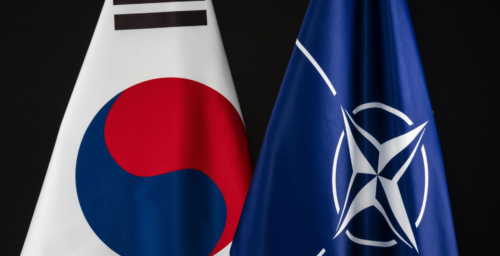
South Korea’s review of NATO funding tests its Russia hedging strategy
Reviewing entry into a coordinated Ukraine procurement mechanism may reduce flexibility in managing Moscow relations
February 26, 2026

USFK drill near China exposes strains in Washington-Seoul alliance
Rare objections from South Korea spotlight consultation norms as US posture shifts toward China-focused deterrence
 February 25, 2026
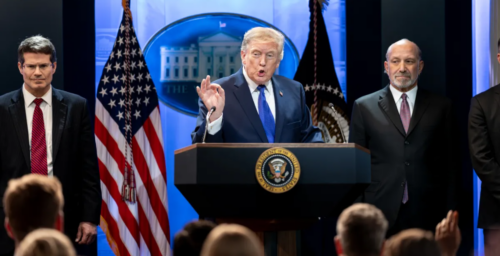
US Supreme Court ruling shakes legal basis of Trump tariff deals
Section 122 and 301 replace IEEPA, raising doubts over durability of executive trade agreements with allies
February 24, 2026
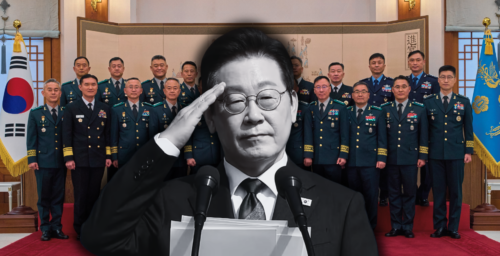
South Korea redefines senior military accountability after martial law
Expanded liability and civilian promotion authority reshape accountability and command authority
February 23, 2026

Yoon Suk Yeol’s life sentence tests South Korea’s prosecution, pardon cycle
Insurrection ruling revives scrutiny of clemency norms and reshapes executive risk calculus ahead of local elections
February 20, 2026
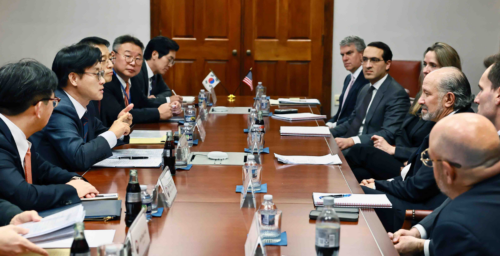
South Korea shifts focus from tariff pledges to delivery under US pressure
Seoul sends delegation to Washington as investment commitments face legal, political and commercial constraints
February 19, 2026

Why rear-area disruption matters more as South Korea moves toward OPCON by 2028
As Seoul eyes 2028 wartime command transfer, prolonged rear-area disruption emerges as a governance and escalation risk
 February 18, 2026

South Korea’s Special Chips Act underwrites capital, leaving execution risk
Semiconductor law defers 52-hour reform as firm-level execution models determine competitive edge
 February 17, 2026