


Analysis
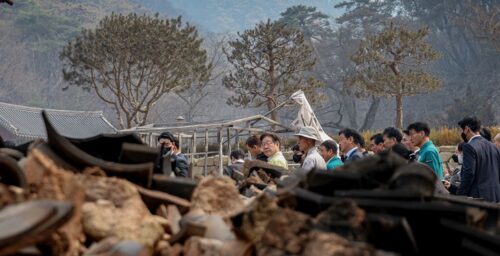
How South Korea governed through pressure rather than reform in 2025
A year of recurring stress saw the state rely on inspections and penalties while deeper preventive fixes stalled
 December 30, 2025
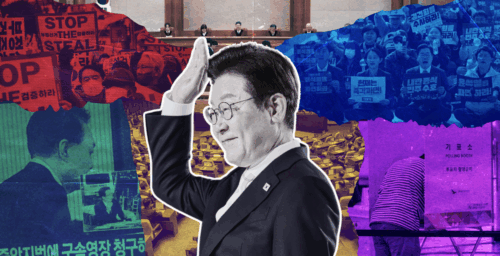
From martial law to majoritarian rule: South Korea’s defining political year
How courts, prosecutors and elections reshaped authority after the collapse of Yoon Suk Yeol’s presidency
 December 26, 2025
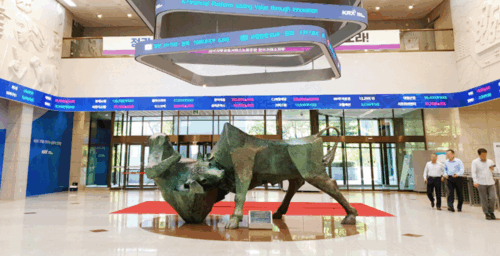
South Korea mobilizes capital as tactical shield to defend won’s 1,500 threshold
Tax incentives and pension fund hedging shifts signal a pivot to financial protectionism ahead of 2026 local elections
 December 24, 2025
Why South Korea’s productivity lead over Japan is an economic illusion
Rising output per hour masks dual-sector stagnation, shrinking labor pools and new regulatory risks for investors
December 23, 2025
South Korean ruling party’s special tribunal push weakens judicial autonomy
Efforts to fast-track insurrection cases test limits of legislative power and set precedents for future intervention
December 19, 2025
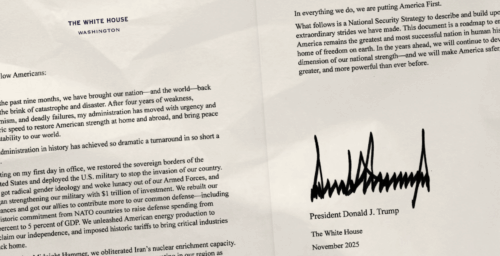
Trump’s 2025 national security strategy quietly recasts South Korea’s role
New US framework treats Seoul as economic and military capacity rather than a standalone security priority
December 18, 2025
Risk Migration: Defining South Korea’s structural economic shift in 2026
Stability in 2025 came at a structural cost as policy options narrow and economic pressure shifts to domestic firms
December 17, 2025
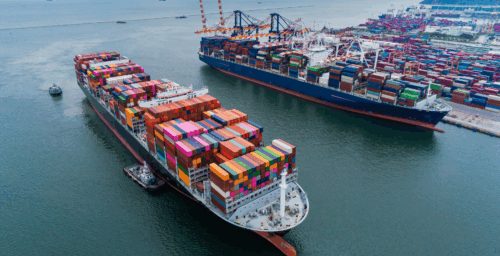
South Korea-UK trade deal is a win for autos but a strategic supply chain trap
Deal saves Korean EVs from tariffs but risks locking in China dependence, diverging from US and EU economic security
December 16, 2025
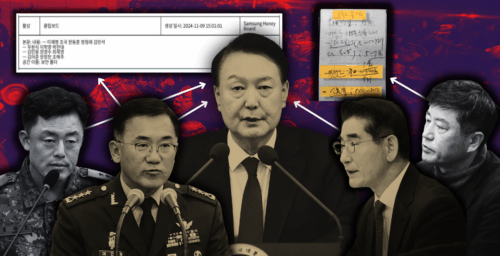
South Korea’s democratic safeguards face scrutiny after martial law revelations
The special counsel findings show how emergency powers and personnel control eroded safeguards long before Dec. 3
December 16, 2025

Hanwha’s Austal deal deputizes South Korea for AUKUS and US nuclear strategy
The acquisition integrates Seoul into the US nuclear supply chain while exposing it to Chinese coercion and labor risks
December 15, 2025