


Analysis
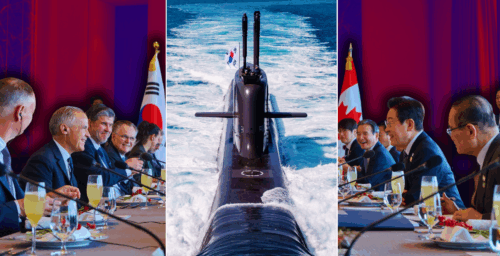
Canada’s submarine project tests limits of South Korea’s defense export model
Ottawa’s bid underscores how long-term naval programs allow buyers to extract wide-ranging economic concessions
 January 29, 2026
Why South Korea’s fake news amendment raises institutional risks beyond intent
By coupling content judgments with civil, criminal and administrative penalties, law alters long-term speech governance
 January 28, 2026
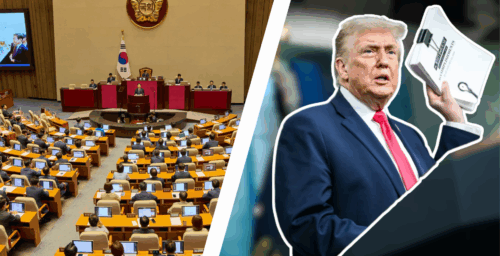
Trump’s tariff 180 underscores the dangers of South Korea’s alliance assumptions
Seoul’s expectations for predictability are colliding with Washington’s erratic trade and defense policies
 January 27, 2026
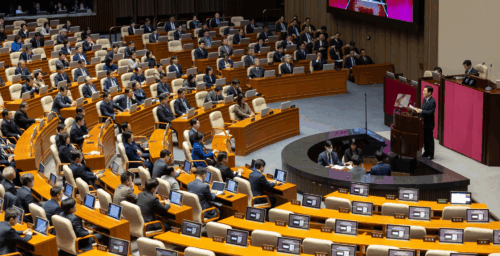
How Coupang’s breach became a durable political confrontation in South Korea
Administrative enforcement, nationalist framing and public opinion aligned to sustain scrutiny long after disclosure
January 26, 2026

Coupang breach exposes rising regulatory and political risk in Korea’s platform
Fallout exposes how data security failures are reshaping enforcement incentives, compliance costs and public trust
 January 23, 2026
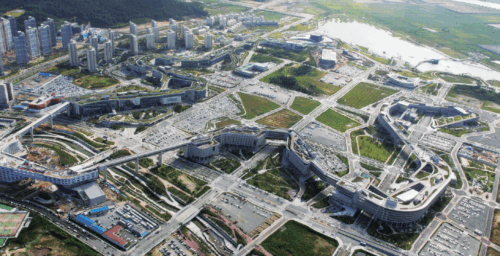
Temporary fixes become policy as South Korea manages rising financial stress
Repeated extensions of temporary stabilization measures reveal strain between capital mobility and an ageing framework
 January 22, 2026
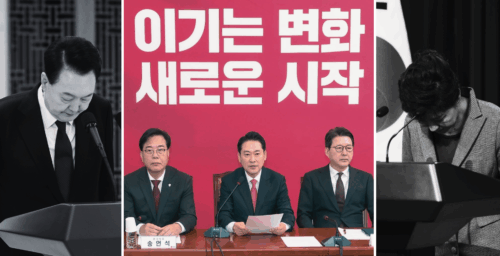
Why South Korea’s conservative rebranding playbook is finally failing
Past recoveries relied on progressive failure, not internal renewal — a pattern now strained after Yoon’s martial law
January 21, 2026
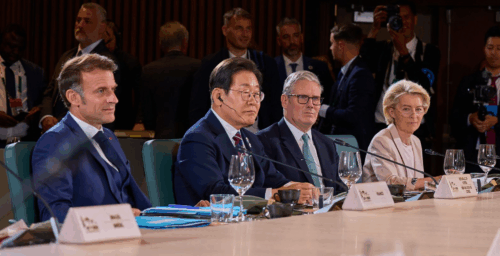
How Brussels reads Seoul’s China outreach and where tolerance quietly ends
EU accepts South Korea’s engagement with Beijing but cumulative ambiguity caps extent of security and industrial ties
 January 20, 2026

South Korea’s gaming push faces credibility risks from policy fragmentation
Presidential recognition of e-sports raises expectations as regulatory coherence and execution lag behind
January 19, 2026
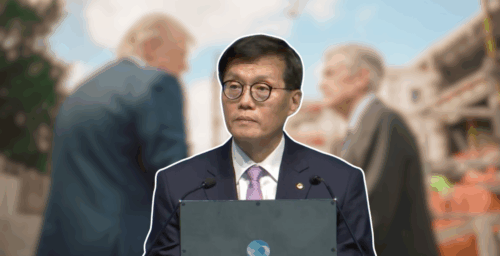
Global central banks speak as US policy uncertainty spills into Korea’s outlook
Powell dispute and tariff ambiguity raise the cost of volatility for highly open economies like South Korea
January 15, 2026