
Analysis Jamboree woes, heinous murders: Cataloging South Korea’s worst moments of 2023Korea Pro selected 10 news stories that made international headlines and revealed deep-rooted problems in the ROK 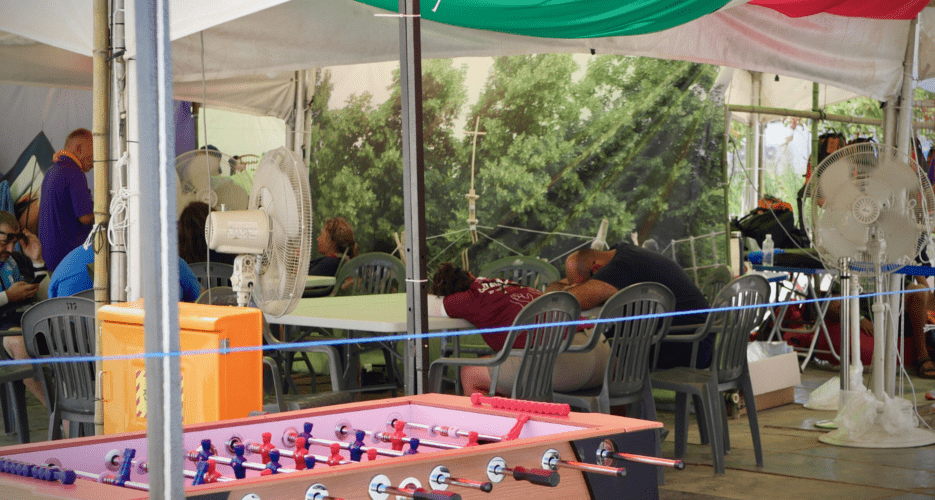 South Korea saw its star continue to rise on the international stage in 2023, as new K-pop artists gained global fame and Seoul won praise for its defense exports. However, not everything was smooth sailing, and a number of unfortunate moments tarnished the country’s image. Korea Pro has assembled a retrospective of 10 moments that exposed deep-seated problems in South Korea, leaving an indelible mark on the year ahead — starting with developments in society, culture and the economy: Part 1: Society, Culture & Economy
Part 2: Foreign Policy & Politics
The selected events are not presented in any particular order. 1. World Scout Jamboree fiasco 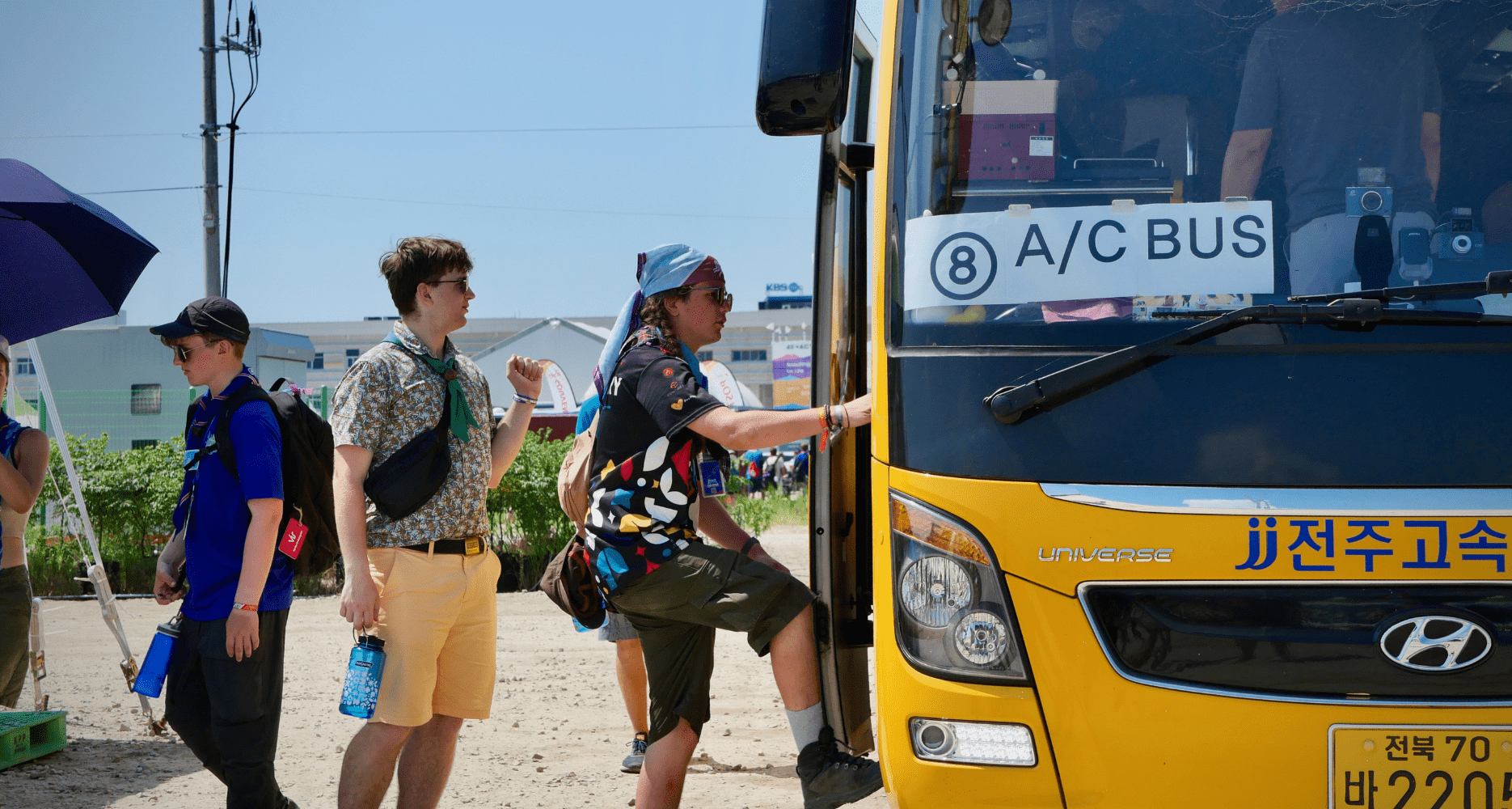 South Korean authorities deployed air-conditioned buses with a 30-minute time limit per person during the 2023 Jamboree | Image: Korea Pro What Happened: Despite years to prepare across two administrations, the 2023 World Scout Jamboree in Saemangeum turned into an international disaster. The event, hosting nearly 40,000 youth and adult participants from almost 170 countries, faced numerous issues. The Jamboree was held at Saemangeum, a swathe of reclaimed land with no trees to provide shade, and extreme summer heat led to dehydration, injury and spoiled food. Several countries withdrew their scouts mid-event, relocating their participants to Seoul and other regions in the ROK. But many who withdrew struggled to find accommodations, which the ROK government and corporations eventually had to scramble to provide. The government tried to salvage its reputation by hastily organizing a K-pop concert at the event’s conclusion. While Jamboree participants reportedly welcomed the concert, fans and some of the public criticized the move as another example of the Yoon administration mobilizing entertainers to deflect attention from governmental failures. Political blame games ensued over who should be responsible for bungling the Jamboree. Bickering broke out in parliament and between the gender ministry and the North Jeolla Province government, with revelations of budget mismanagement further fueling the controversy. Implications: Following last year’s Itaewon crowd crush tragedy, the Jamboree debacle further damaged Korea’s reputation for ensuring safety during large events. Details of South Korea’s mismanagement went viral, with the chaperons and parents of Jamboree participants complaining about Saemangeum’s lack of preparations during news interviews and sharing real-time images and videos on social media platforms. For decades, the South Korean government has framed hosting international events as a boon for infrastructure, tourism, economic growth and national prestige, but some of Seoul’s recent bids have shown that it is anything but prepared to host them. A government investigation into the Jamboree incident revealed that planning largely influenced by inefficient bureaucratic procedures, and organizers demonstrated a lack of foresight to anticipate and prevent potential problems. Additionally, the investigation found that a substantial portion of the Jamboree budget went toward international business trips for the host committee members, a finding expected to increase public skepticism about the South Korea’s ability to host international events effectively.
2. The politicization of tragedies 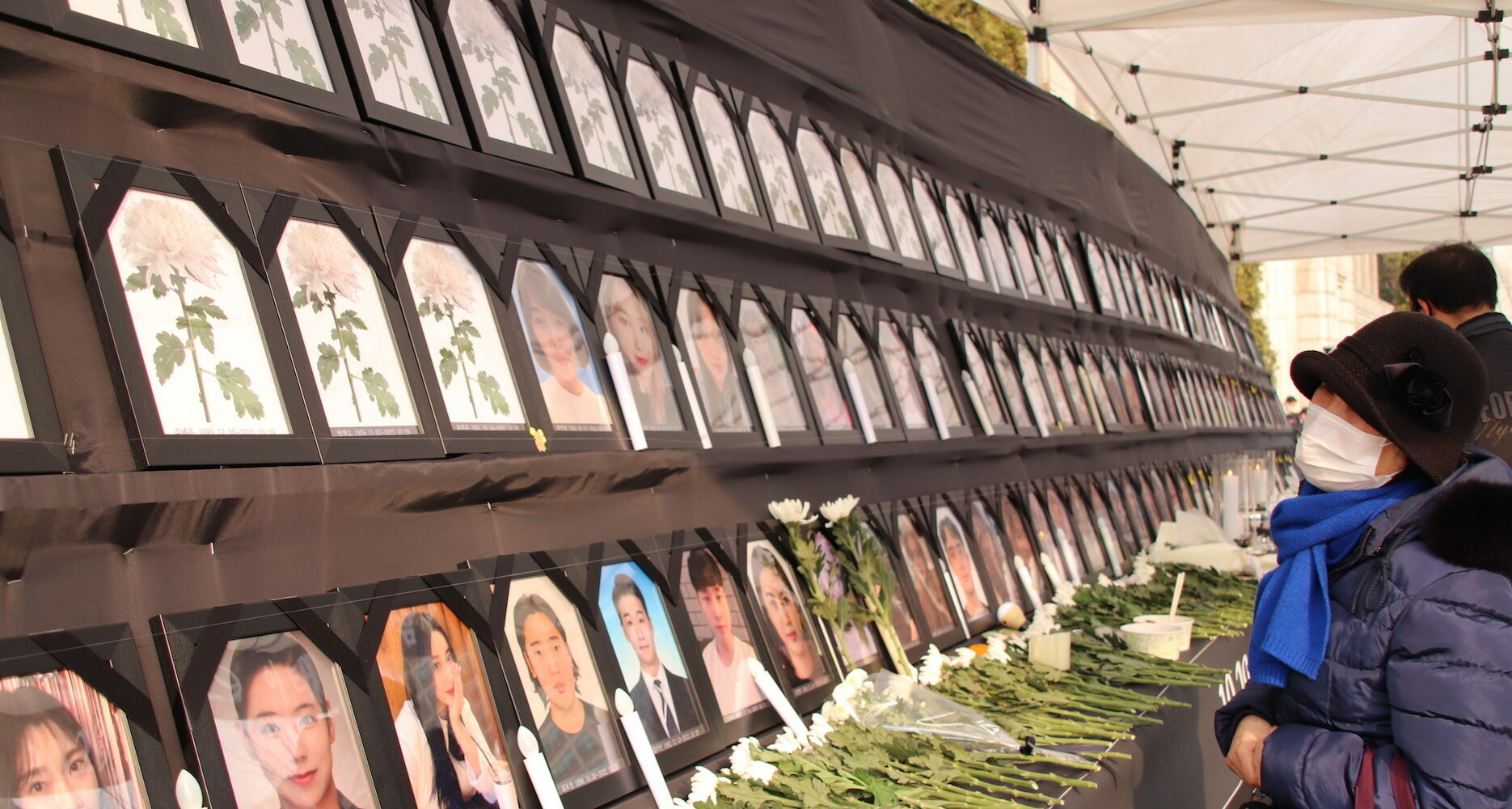 A South Korean woman at an alter commemorating victims of Itaewon crowd crush, Feb. 6, 2023 | Image: Korea Pro What Happened: In late October, South Korea’s presidential office announced that Yoon would not participate in a memorial rally to commemorate the first anniversary of the Itaewon disaster. The government categorized the event as a “political rally,” co-hosted by the DP and other progressive parties, rather than a “genuine” memorial service. This decision came after Yoon attended a memorial service for the late ROK dictator Park Chung-hee, marking the first time a sitting president had done so. Despite the official stance of the People Power Party and the Yoon administration on the Itaewon memorial rally, some high-ranking conservative politicians chose to attend. However, they framed their participation as a part of their “personal” schedule, likely to avoid the perception of contradicting their party and administration’s official view on the event. Implications: The political response in South Korea to the anniversary of the Itaewon tragedy reveals an unsettling pattern in which even responses to national tragedies are increasingly characterized by partisan debate. This trend, reminiscent of the aftermath of the Sewol Ferry disaster, not only obstructs the development of effective solutions and preventive measures for future disasters but also dishonors the victims’ memories and national mourning. The Yoon administration’s approach to this situation, particularly the president’s absence from the main commemorative event, has been perceived as an attempt to avoid responsibility and remain defensive, especially in scenarios where the opposition seems to have the advantage. On the other hand, the opposition’s handling of the tragedy appeared focused on exploiting the situation for political capital, rather than policy changes that address the needs and concerns of the victims’ families.
3. ‘Anti-state forces’ and ‘communist’ freedom fighters 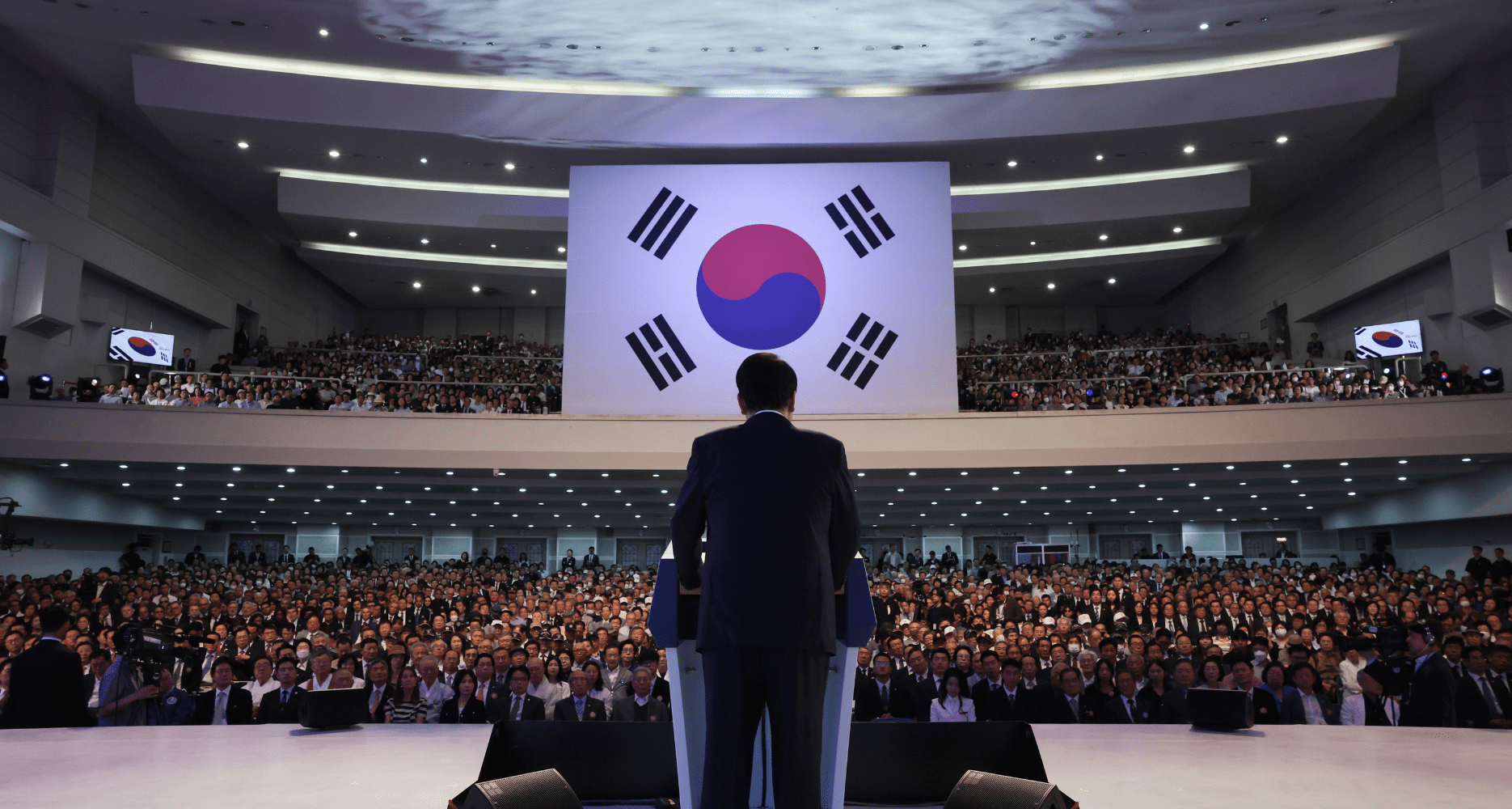 President Yoon Suk-Yeol gives his National Liberation Day address, Aug. 15, 2023 | Image: ROK Presidential Office What Happened: Throughout the year, Yoon frequently stressed the importance of identifying and countering “anti-state forces” within the country. This concept, a key aspect of the National Security Act, originates from the Cold War era. During that time, authoritarian regimes in South Korea focused political efforts on combating pro-North Korean and communist elements, which were seen as threats to national security. However, this year, the Yoon administration has often implied or directly associated “anti-state forces” with the opposition party and various progressive groups. This was notably evident in Yoon’s Liberation Day speech in August. The ruling People Power Party (PPP) took this rhetoric further by linking anti-Yoon protests, such as those related to the Itaewon crowd crush and Seoul’s policy on the Fukushima water release, to supposed directives from North Korea, though they did not provide concrete evidence for these claims. Additionally, this year saw the administration challenge the legacy of General Hong Beom-do, long celebrated for fighting for Korean independence against Japanese colonialism. Several high-ranking officials called for the removal of his bust from the Military Academy grounds, citing his communist affiliations. Implications: The Yoon administration’s rhetoric risks alienating a significant portion of the electorate, particularly those with progressive and moderate views. Broadly applying the term “anti-state forces” to various groups and individuals may undermine the effectiveness of law enforcement and judicial authorities in tackling actual espionage and genuine anti-state activities. Despite these potential consequences, it seems likely that the administration will continue to employ this tactic in the upcoming year, with an eye on consolidating conservative support in the lead-up to the parliamentary election. This coincides with the resurgence of the New Right movement in South Korea, known for its anti-communist stance and historical revisionism. This ideological shift has led to extensive political discussions in the National Assembly. Confirmation hearings, plenary sessions and committee meetings have spent considerable time re-examining the roles of historical figures like General Hong. Polls indicate that this focus on historical issues has contributed to a further decline in public trust in the parliament, exacerbating the already prevalent political apathy among voters. As a result, the upcoming elections appear increasingly unpredictable, with more polarized campaign strategies and political discourse becoming more likely.
4. A surge in heinous crimes 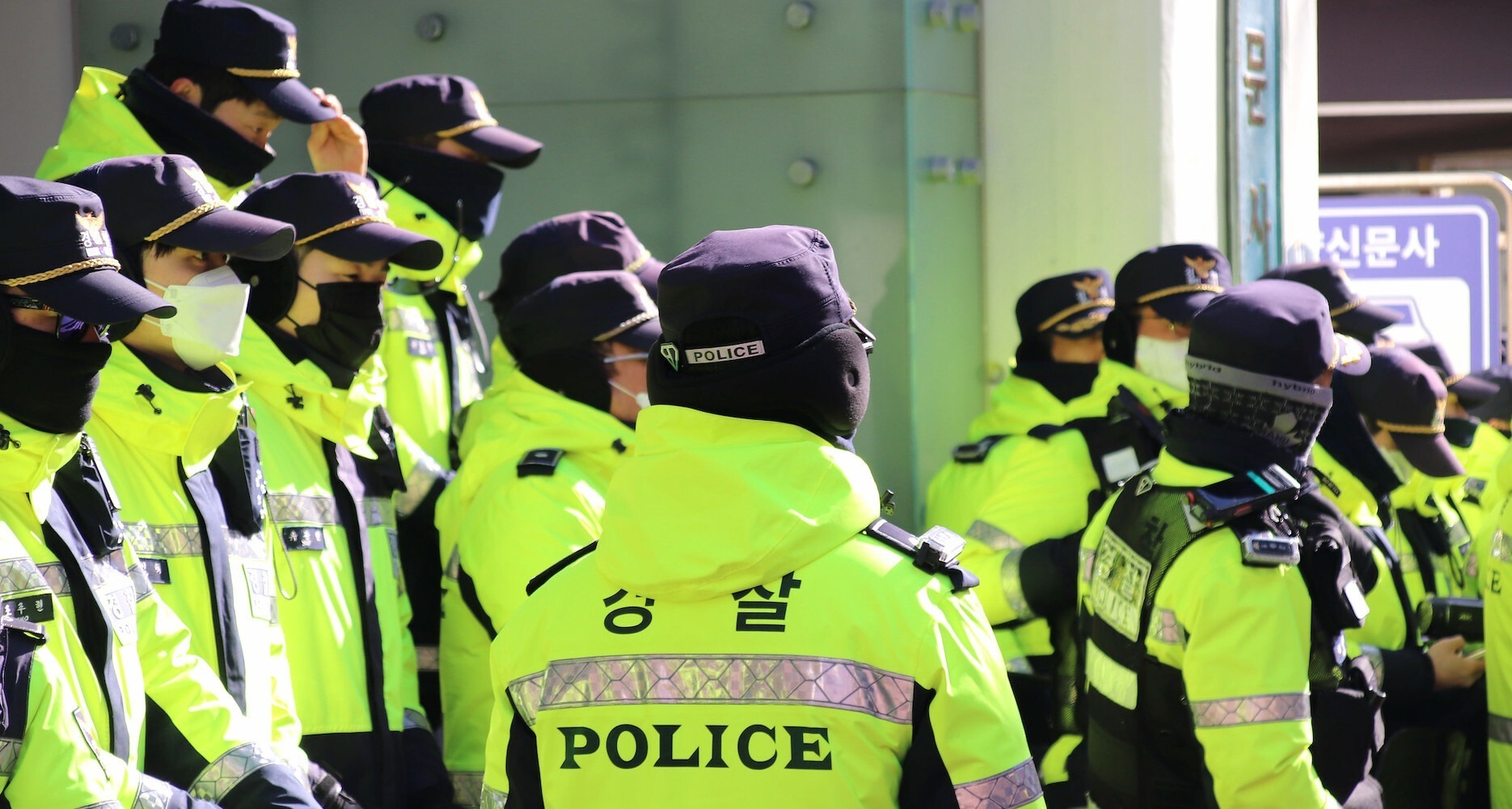 Police forces in Seoul, Aug. 2023 | Image: Korea Pro What Happened: This year, South Korea has seen a worrying increase in brutal crimes, reigniting the debate over the death penalty in political discussions. High-profile cases have included random acts of violence, kidnappings and murders. Particularly shocking incidents were a knife attack near Seoul’s Sillim Station targeting young men, which resulted in one fatality and multiple injuries, and the premeditated murder of a young woman by another woman who used a private tutoring app to plan her crime. In response to these crimes, authorities have handed down severe sentences, such as life imprisonment and long jail terms, but there has been a public outcry for even tougher legal measures. Subsequent incidents have heightened public anxiety. These include the brutal sexual assault and murder of a woman on a hiking trail in Gwanak, involving the use of brass knuckles, and a deadly attack in a department store in Bundang. There has also been a surge in anonymous online posts threatening to commit murders, targeting random individuals. This has placed a significant burden on police resources, as they work to identify the authors of these threats and leading to hundreds of arrests. The government has pledged to better equip the police, including granting them more extensive rights to use force, in an effort to address and curb this disturbing trend of violence. Implications: The random murders and online posts threatening similar crimes, widely reported by the media, have significantly heightened public anxiety and fear, especially in densely populated urban areas where these incidents have been most common. Despite the growing concern, authorities and political leaders in South Korea have struggled to provide a thorough explanation for the root causes of this disturbing social phenomenon. Additionally, there is ongoing public skepticism about the effectiveness of South Korea’s criminal justice system in preventing and deterring violent offenses. Addressing these issues will be crucial for restoring public confidence and ensuring the safety and security of communities.
5. Populist economic policies  An image of a stock market screen | Image: Ahmad Ardity via Pixabay What Happened: In response to increasing economic challenges, Yoon announced in February a plan to freeze public utility fees for the first half of the year. This freeze applied to services such as railroads and postal services and was a reaction to the rising costs of electricity, gas, interest rates and overall inflation, which had sparked public concern. While this move aimed to alleviate the financial strain on the public, it also raised questions about its long-term sustainability and potential price increases in the future, which could impact both businesses and consumers. Later in the year, South Korea suspended stock short-selling for eight months, an action that will extend into the first half of 2024. The suspension was aimed at stabilizing the market and ensuring fair pricing, but it represents a notable deviation from standard financial protocols regarding such bans. Typically, short selling is only restricted during periods of major global economic disruptions, such as the 2008 subprime mortgage crisis and the 2011 European debt crisis. The absence of a similar global economic disturbance this time raises questions about the rationale and potential implications of this financial strategy. Implications: Various experts have interpreted the Yoon administration’s recent economic decisions as politically motivated, particularly to gain favor with voters ahead of the general election. Some have criticized these measures as populist in nature. The temporary freeze on utility fees provides immediate relief but could lead to significant price increases in the future. Similarly, the suspension of short selling, while potentially appealing from a political standpoint, poses risks to investor confidence and the efficient operation of financial markets. Such decisions, though intended to mitigate current economic challenges, could worsen financial issues in the long run and damage South Korea’s economic reputation. Moreover, these state interventionist measures contradict Yoon’s earlier commitments to fostering private-sector-led growth in a deregulated market.
Edited by John Lee © Korea Risk Group. All rights reserved. 
|

October 07, 2026Oct 07, 2026

Never be sidelined again
 SHARE
SHARE COPY LINK
 X
X MASTODON