



Domestic Politics

South Korea in April 2026: A month in review and what’s ahead
An analytical look at the main developments from April 1 to 24, 2026, and key outlook for May 2026
 April 30, 2026
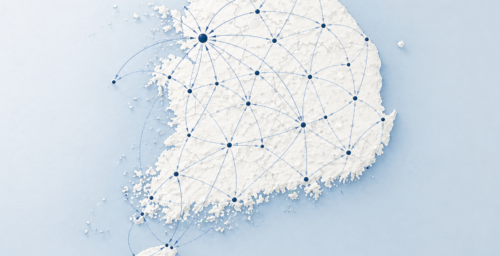
South Korea revives local party offices, reshaping political competition
Reform raises political presence at district level, raising challenges for resource allocation and corporate engagement
April 28, 2026
South Korea moves to build voluntary carbon market with new law, exchange
Policy aims to convert emissions cuts into tradable assets, but success depends on demand and international recognition
 April 28, 2026

Early Yellow Envelope rulings reveal fuzzy definitions of ‘substantive control’
Weeks in, rulings show mixed signals on employer status thresholds and when unions can bargain in separate units
 April 27, 2026
South Korea pegs May oil imports at 87% of normal amid supply strain
Seoul secures alternative crude flows but flags petrochemical and construction bottlenecks as war disruptions persist
April 27, 2026
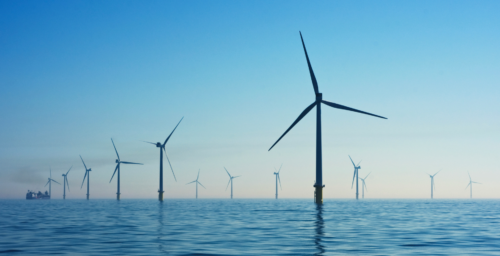
South Korea’s offshore wind strategy tests limits of foreign capital
Rising costs and non-market based frameworks are making Korea a harder market for global developers to justify
April 24, 2026
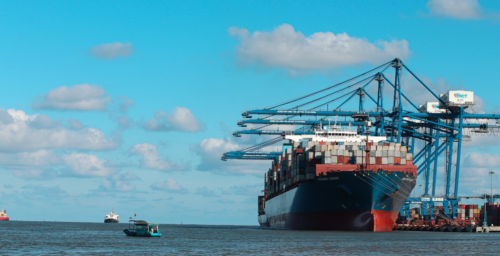
Why South Korea’s record trade surplus signals a strategic step backward
An anti-hoarding decree on petrochemicals keeps import costs low, while old habits delay Seoul’s diversification efforts
April 22, 2026

South Korea businesses face hard choices as energy disruption persists
Seoul secures oil supply, but businesses must decide which costs to absorb, pass on or redesign as risks linger
April 17, 2026
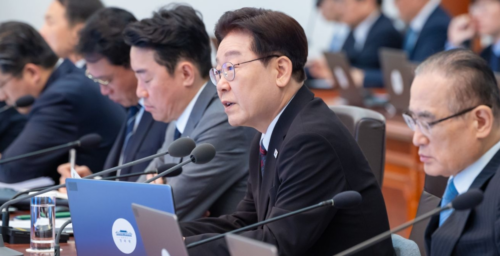
Smart regulation push, Middle East diplomacy and defense continuity — Ep. 128
Vague reform agenda unfolds alongside oil supply efforts and continued U.S.-ROK coordination on defense
April 17, 2026

South Korea secures oil supply, locking in higher costs and tighter logistics
Seoul locks in 273 million barrels and naphtha, but longer routes and logistics strain raise costs and delivery risks
April 15, 2026