  
Analysis National elections highlight anti-incumbent sentiment in South KoreaLack of transparency or connections with constituencies has historically led South Korean voters to reject incumbents 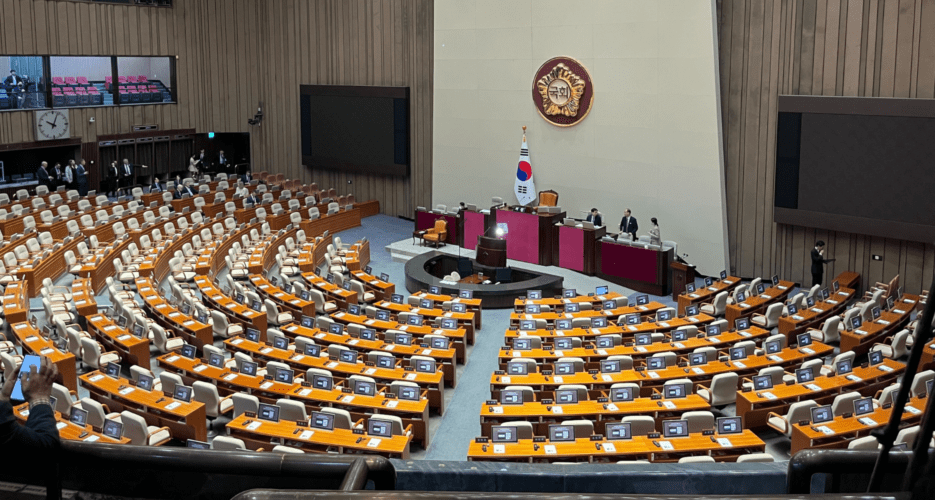 Since its transition to democracy in 1987, South Korea has experienced a distinct pattern in its political elections. Over the past 37 years, the country has held 10 general elections for the National Assembly, revealing a consistent trend: South Korean voters are often reluctant to re-elect incumbents. While incumbent parties occasionally perform well depending on the president’s popularity, voting trends point to deeper issues within the nation’s political system, specifically the instability of party structures and the typically short careers of politicians. A Korea Pro analysis indicates:
© Korea Risk Group. All rights reserved. 
|

October 28, 2026Oct 28, 2026

Never be sidelined again
 SHARE
SHARE COPY LINK
 X
X MASTODON